



Japanese logistics company eyes JPYC stablecoin to pay drivers4h ago| cointelegraph.com
The planned rollout would let thousands of transportation contractors receive digital yen payments more frequently and quickly.
The planned rollout would let thousands of transportation contractors receive digital yen payments more frequently and quickly.

AZ-COM Maruwa Holdings invests 1 billion in JPYC, Japan's first regulated yen stablecoin, to pay 2,300 subcontractors and delivery drivers. The post AZ-COM Maruwa rolls out JPYC stablecoin for 2,300 subcontractors appeared first on Crypto Briefing.

BITCOIN PRICE PATTERN CONFIRMED (New Target)!!! - Bitcoin News Today, Ethereum & Altcoins *LBANK* ...


The GENIUS Act was enacted as Public Law 119-27, establishing a federal framework for payment stablecoins, according to the official record on GovInfo . A statute taking effect is not the same as a fully operational regulatory regime. Read more...
Key Takeaways The July 2028 restriction applies to every non-qualifying payment stablecoin offered in the U.S., not only USDT. The […] The post USDT Risks U.S. Delisting Under 2028 Stablecoin Rules appeared first on Coindoo.

Ripple President Monica Long secured double recognition on Stablecon's Most Influential 2026 list, reflecting her pivotal role in launching RLUSD and driving Ripple's stablecoin expansion.


Bitcoin found support near its 21-month low around $58K. Here are 5 altcoins under $2B with real utility that could outperform if July's recovery holds.


US regulators failed to finalize implementing regulations by the GENIUS Act’s one-year deadline, issuing 10 proposed rules instead.


Spreadefi faces scrutiny as users assess trust, transparency, and DeFi platform credibility. As the decentralized finance (DeFi) space has evolved, users have gotten a lot more careful about which platforms they trust with their digital assets. After a long line…

Trump’s 25% Brazil tariff targets trade practices including Pix while dollar stablecoins now dominate much of the country’s crypto activity.

Key Takeaways Pogun plans to combine a non-margin credit market, a yield application and a trust-minimized Bitcoin bridge on Cardano. […] The post Cardano’s Bitcoin DeFi Push Faces Its First Delivery Test appeared first on Coindoo.


SBI expands crypto footprint with Coinhako acquisition, Solana partnership, and yen‑backed stablecoin plans.


Visa is hiring a Senior Director for its Stablecoin Labs team, an opening that lists compensation reaching up to $400,000 and points to the payment network's continued push into stablecoin infrastructure. Read more...

BITCOIN LIQUIDATION TRAP: Don't Be Fooled!!! - Bitcoin News Today, Ethereum & Altcoins *LBANK* ...
The network that moves the world’s money spent 9 months building a blockchain, and the most important decision it made was what not to put on it. No stablecoins. No public tokens. Just bank deposits, wearing a new coat. For…


Symbiosis Finance has launched private USDT swaps and transfers involving TRON, adding a privacy layer to one of the most widely used stablecoin netwo

Over the past two months, the stablecoin economy has been tightening its belt, trimming $12.413 billion since mid-May. In just the last week, the sector said goodbye to another $1.555 billion. Stablecoin Market Sheds More Than $12 Billion Since Mid-May The fiat-pegged crypto coin sector, as tracked by defillama.com on Saturday, Jul. 18, shows that […]
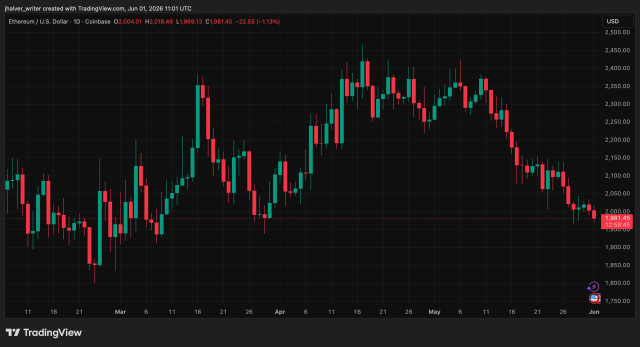
US sanctions have again put stablecoins at the centre of the enforcement debate after addresses linked to Iran were added to the Treasury Department’s

Washington views Brazil’s promotion of non-dollar payment channels, including Pix and the growth of stablecoins, as a potential threat to dollar-based trade, even as dollar-linked stablecoins account for about 90% of Brazil's crypto transactions.
The post Top Altcoins to Watch Next Week: 3 Altcoins at a Make-or-Break Moment appeared first on Coinpedia Fintech News Altcoins have regained momentum over the past two weeks as Bitcoin’s consolidation encourages traders to look beyond the market leader. While many tokens have already posted double-digit gains, Sui (SUI), Hyperliquid (HYPE), and Bittensor (TAO) are now approaching critical technical levels that could determine whether their rallies continue or reverse next week. SUI Eyes $0.85 …



Load more news